
Candles are meant to create a warm, relaxing atmosphere, not put you or your family at risk. Unfortunately, defective candles can cause unexpected fires, shattered glass containers, hot wax spills, and serious burn injuries.
When a candle is improperly designed, manufactured, or labeled, an ordinary household product can become a dangerous hazard. Some defects may cause a candle jar to crack or shatter, exposing nearby individuals to hot wax, flames, and sharp glass.
If you or a loved one has been injured by a defective or exploding candle, you may have grounds to pursue compensation through a product liability claim.
A defective candle is a candle that has a problem with its design, manufacturing, or warnings that makes it unreasonably dangerous under applicable product liability law.
Not every candle accident is caused by a product defect. However, when a candle fails during normal or reasonably foreseeable use, an investigation may reveal a dangerous condition that existed before the product reached the consumer.
Common categories of candle defects include:
Determining whether a candle is legally defective often requires examining the product, the circumstances of the incident, and relevant safety standards.

Glass candle containers are designed to withstand heat generated during normal use. However, manufacturing flaws, unsuitable glass materials, or excessive thermal stress may cause certain containers to crack or shatter.
When a glass candle jar breaks, hot wax and sharp glass fragments can cause serious injuries.
Potential problems include:
A candle’s wick plays an important role in controlling how the candle burns. Problems involving wick size, placement, or construction may contribute to excessive heat, uneven burning, or other hazardous conditions.
For example, an improperly positioned wick may cause concentrated heating along one side of a glass container, potentially increasing the risk of thermal stress and breakage.
Whether a wick contributed to a candle explosion must be determined through a careful investigation.
Candles contain wax, fragrances, dyes, and other ingredients that influence how they burn.
Improper formulations or manufacturing inconsistencies may contribute to abnormal combustion, excessive flames, or other dangerous conditions.
Some potential hazards include unusually high flames, flare-ups, and overheating. These incidents may result in burns, property damage, or fires.
Candle manufacturers have responsibilities under applicable law to provide appropriate safety information about foreseeable product hazards.
Warnings may address safe burning duration, wick trimming, placement near flammable materials, and when to stop using a candle.
When necessary warnings are missing, unclear, or inadequate, consumers may be exposed to risks they do not reasonably understand.
Whether inadequate warnings support a legal claim depends on the product, the hazard, and applicable state law.
Understanding the Science Behind Candle Failures
A candle may appear to explode when its glass container suddenly fractures, allowing hot wax, glass fragments, and potentially flames to spread beyond the container.
Several factors may contribute to these incidents, including thermal stress, glass imperfections, localized overheating, and other product-related conditions.
However, a shattered candle jar does not automatically mean the candle was defective. External damage, improper use, and other circumstances may also contribute to glass breakage.
Our attorneys work with qualified experts to investigate candle failures, evaluate potential product defects, and determine whether a manufacturer or another party may be legally responsible.
When a defective candle causes an injury, more than one party may potentially bear legal responsibility.
Depending on the facts and applicable law, responsible parties may include the candle manufacturer, product designer, component supplier, distributor, or retailer.
Product liability claims may involve allegations of defective design, manufacturing defects, or inadequate warnings. Some cases may also involve negligence or other legal theories.
Determining liability requires investigating how the candle was made, distributed, sold, and used, as well as the circumstances surrounding the injury.
Our attorneys have experience pursuing claims against manufacturers, distributors, retailers, and other potentially responsible parties.
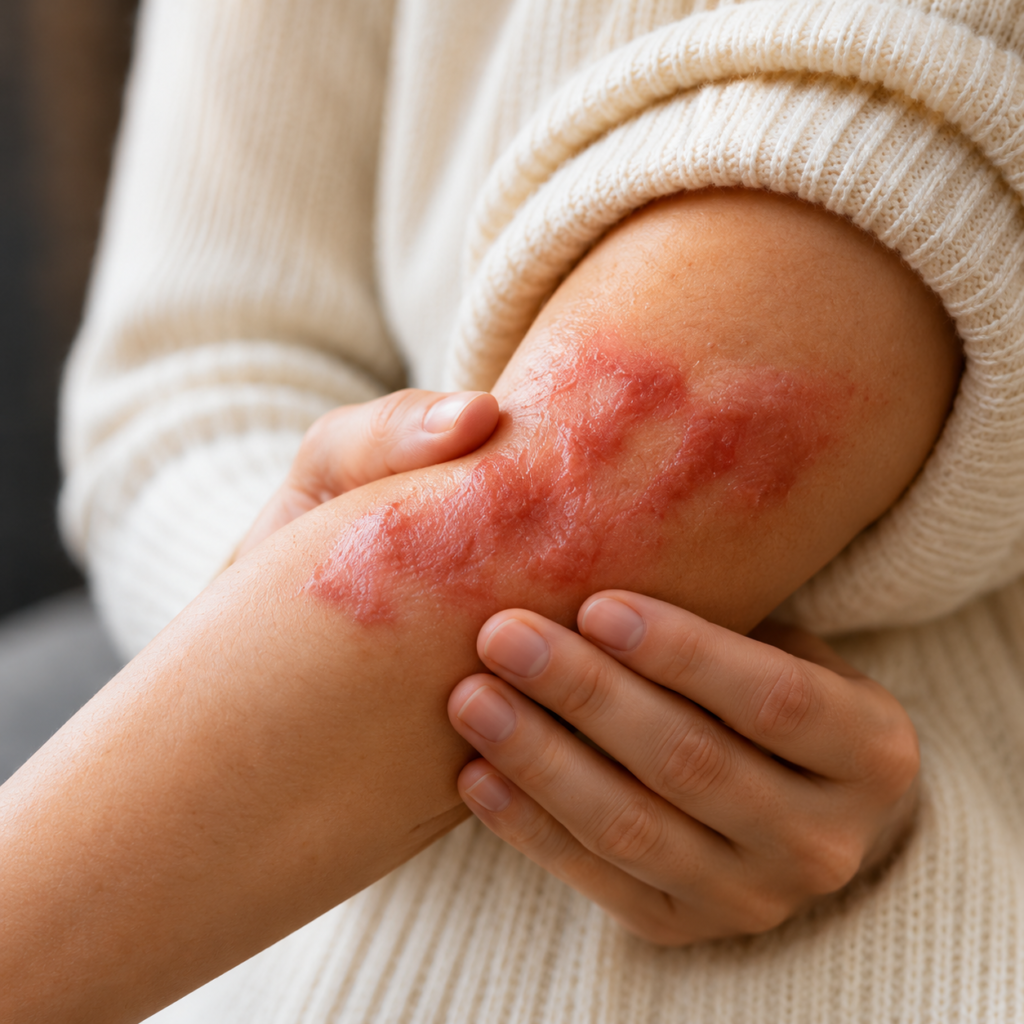
If a candle unexpectedly explodes, shatters, or causes a serious injury, taking appropriate steps afterward may help protect your health and preserve important evidence.
Your health comes first. Seek appropriate medical care for burns, cuts, or other injuries, particularly if the injuries are severe or worsening.
If it is safe to do so, keep the damaged candle, broken glass, packaging, labels, and purchase receipts. Avoid altering or discarding these materials.
Photograph the damaged product, surrounding area, and visible injuries. Keep copies of medical records and related expenses.
An experienced product liability attorney can help evaluate whether the incident may involve a defective product and whether a legal claim may be appropriate.
Yes. A glass candle jar can sometimes fracture suddenly, particularly when subjected to thermal stress or other damaging conditions. However, determining whether the breakage resulted from a product defect requires investigating the specific incident.
Potential warning signs include unusual burning behavior, unexpected glass breakage, or a container that fails during ordinary use. These circumstances do not conclusively establish a defect. A product investigation may be necessary to determine the cause.
Potentially. If a defective candle jar caused your injuries, you may have grounds for a product liability claim. The available legal options depend on the evidence and applicable law.
You may still be able to explore a claim. Photographs, purchase records, medical documentation, witness statements, and other evidence may help establish what happened. However, the absence of the product can make an investigation more difficult.
Legal filing deadlines vary by state and the circumstances of the claim. Because missing an applicable deadline may prevent you from pursuing compensation, it is important to seek legal guidance promptly.
They Burned You Once.
We Won’t Let Them Burn You Twice.
When a dangerous household product causes serious injuries, you deserve answers and the opportunity to seek accountability.
Our experienced attorneys have recovered millions of dollars for clients injured by defective and exploding candles. We understand the legal and scientific challenges these cases present and are committed to helping injured consumers pursue the compensation they deserve.